Grease Trap Cleaning in Columbus, OH
Need routine pumping, dealing with a backed-up trap, or preparing for an inspection? Call to connect with a local grease trap service provider serving Columbus.
Call now(614) 858-3919Calls connect you with independent local providers, who confirm availability and pricing.
- Grease traps and interceptors of all sizes
- Service for restaurants, schools, hotels and food plants
- Routine pumping and urgent backup situations
Get Connected for Grease Trap Service
One call connects you with a provider serving your area.
Tap to call(614) 858-3919- 1Enter your ZIP code. A short prompt makes sure you reach someone who covers your area.
- 2Get connected. Share your trap or interceptor size and when it was last pumped.
- 3Get pricing and schedule service. The provider confirms pricing before any work begins.
Trap backing up or failed an inspection? Do this first
- Stop grease going down drainsScrape plates and pans into the trash and keep fryer oil and food waste out of every sink.
- Shut off fixtures that feed the trapPause dishwashers, prep sinks and mop sinks connected to the trap so it does not overflow further.
- Keep staff away from overflowGrease water is slippery and unsanitary. Block off the area and keep food and clean equipment clear.
- Photograph the trap and note datesTake photos and find the last pumping date. Inspectors and providers will both ask for it.
Grease trap and interceptor services
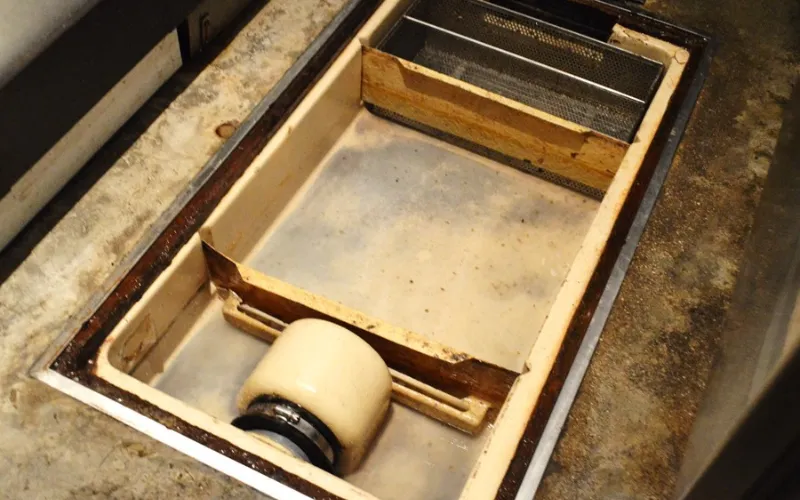 Indoor trapsGrease Trap CleaningScraping walls and baffles, clearing solids and the inlet and outlet, beyond a basic pump-out.Learn about cleaning →
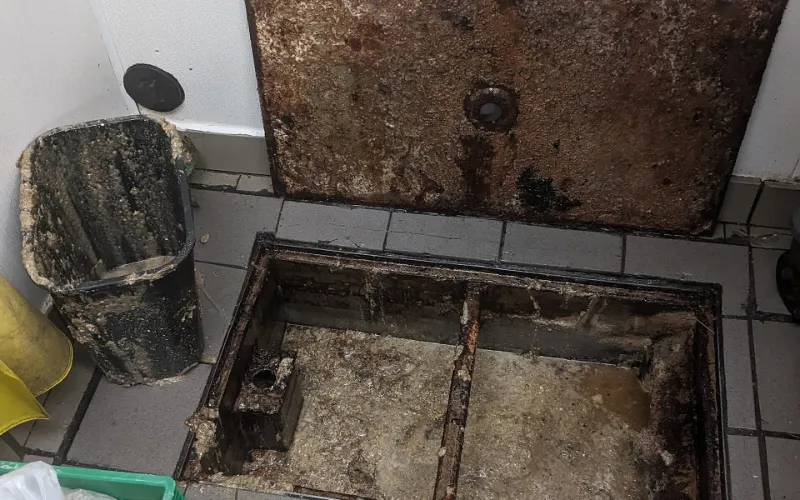 Indoor trapsGrease Trap PumpingRoutine pump-outs that keep your trap under fullness limits and your records current.Learn about pumping →
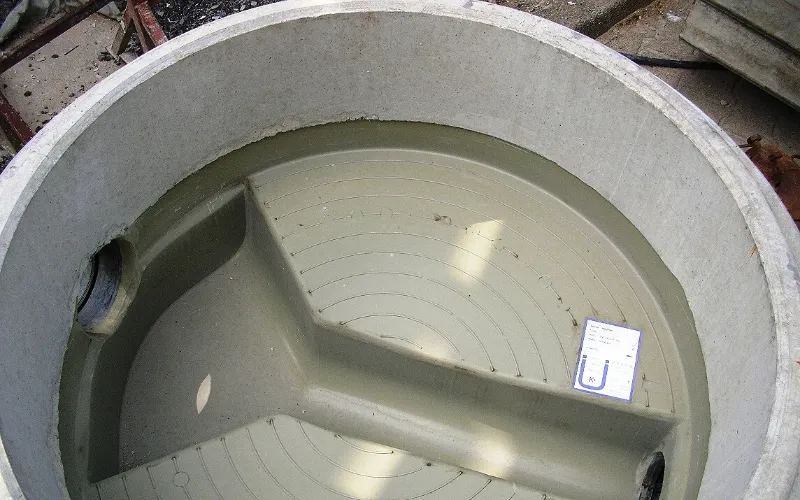 In-ground interceptorsGrease Interceptor CleaningJetting, solids removal and a check of tees, baffles and lids on large outdoor tanks.Learn about interceptor cleaning →
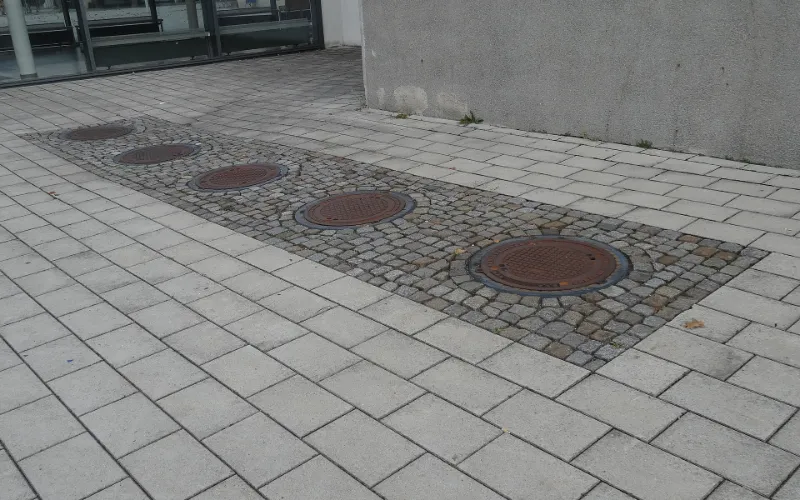 In-ground interceptorsGrease Interceptor PumpingVacuum truck pump-outs on a regular schedule, with records for your inspector.Learn about interceptor pumping →
Columbus grease trap rules at a glance
A plain-language summary. Always confirm current requirements with the local authority before relying on them.
Who regulates
The City of Columbus runs the Fats, Oils and Grease (FOG) Reduction Program through Columbus Water & Power's Industrial Pretreatment Program. It covers food service operations in Columbus and in the suburbs that contract with the city for sewer service.
Pumping frequency
Columbus does not set one interval for every kitchen. Cleaning should follow the manufacturer's instructions and how fast grease builds up, and new or remodeled kitchens need interceptors designed to go no more than 30 days between services for concrete units, or 90 days for units made of materials that resist degradation.
The 25 percent rule
The city recommends cleaning when an interceptor nears 25 percent of its capacity, before it goes past that point. Every cleaning must remove the entire contents.
Records and manifests
Keep a written FOG Best Management Plan and a cleaning log for each interceptor on site, for at least three years. The hauler must record the date, the grease and solids removed and the condition after every cleaning.
Grease trap or grease interceptor?
You do not need to know which you have before calling, but this helps you describe it.
- Location
- Indoors, under a sink or set in the kitchen floor
- Typical size
- Roughly 20 to 100 gallons per minute of flow
- Which kitchens
- Cafes, small restaurants, bars, coffee shops
- Typical pumping interval
- Every 1 to 4 weeks for most busy kitchens
- Location
- Outdoors, buried below a parking lot or yard
- Typical size
- Roughly 500 to several thousand gallons
- Which kitchens
- High-volume restaurants, schools, hospitals, food plants
- Typical pumping interval
- Every 1 to 3 months, depending on volume and local rules
How it works
Read how the connection service works- 01Call and enter your ZIPA short automated prompt routes you to a provider covering your area.
- 02Get connectedSpeak directly with an independent local provider about your trap or interceptor.
- 03Provider quotes and schedulesPricing is set by the provider before any work starts.
- 04Keep the service recordFile the service report and disposal manifest for your inspector.
Start with step one
Call, enter your business ZIP code and talk with a provider who covers your address.
What drives grease trap problems in Columbus
Columbus packs a lot of kitchens into a few busy corridors. The Short North runs along High Street between Downtown and the Ohio State campus, and the North Market downtown has been a food market on the same site since 1876. When restaurants share sewer laterals, one overloaded trap can back up the line for neighbors, which is why regular grease trap pumping matters more in dense blocks.
Older commercial districts add another layer. Much of German Village was built of brick in the mid-1800s and the district has been on the National Register of Historic Places since 1974. Undersized traps in older buildings fill faster, while newer suburban sites in Dublin and Westerville more often have outdoor interceptors that need interceptor pumping on a schedule. Grease problems also cost money: under Director's Rule 15-04, Columbus can bill a business at least $2,000 for a typical sewer blockage caused by improper grease disposal.
Service area
Commercial districts and neighborhoods
- Downtown
- Short North
- German Village
- Arena District
- Easton
- Polaris
- Clintonville
- Grandview
Questions to ask before you hire a pumper
Providers are independent, so it pays to ask. These six questions cover what inspectors usually look for.
- 1Are you a permitted grease waste hauler?Many local authorities require haulers to hold a specific permit for grease waste.
- 2Will I get a disposal manifest?The manifest shows where the waste was taken. Keep it with your records.
- 3Is it a full pump-out or skimming?Skimming leaves settled solids behind. Ask for the full contents to be removed.
- 4Do you check baffles and the outlet?Broken baffles or a missing outlet tee let grease pass straight through.
- 5Can we set a regular schedule?A standing schedule keeps you under fullness limits without having to remember.
- 6Will I get a written service report?Date, volume removed and condition notes are what inspectors ask to see.
Who uses this service
- Restaurants and cafes
- Fast food
- School and university cafeterias
- Hotels
- Hospitals and care homes
- Food processing plants
- Catering kitchens
Frequently asked questions
How often should a grease trap be pumped?
Most busy kitchens pump small indoor traps every one to four weeks and outdoor interceptors every one to three months. The right interval depends on your volume and menu, and many local authorities set a maximum interval or a 25 percent fullness limit.
What does it cost?
As a general planning range, small indoor trap service often runs $115 to $475 per visit and interceptor pumping $325 to $1,050 depending on size. This is not a quote. Pricing is set by the provider before any work starts.
Do providers handle interceptors?
Many do. Tell the provider you have an in-ground interceptor and its size if known, so they can confirm they have a vacuum truck with enough capacity. Call to check availability.
What happens if I skip a pumping?
Grease and solids build past the point where the trap can separate them. That can cause slow drains, odors and backups, and grease reaching the sewer can lead to inspection findings or fines.
How long does a pump-out take?
A small indoor trap often takes under an hour. Large interceptors or heavily loaded tanks take longer. The provider can estimate time when you call.
What areas are covered?
Calls connect to providers serving Columbus and 49 nearby cities, towns and villages within about 50 km, including Dublin, Westerville, Grove City, Hilliard, Gahanna, Reynoldsburg, Upper Arlington, Delaware, Powell, Lancaster and Pickerington. See all 50 service areas.
Who will I be speaking to when I call?
We are a connection service. When you call, a short automated prompt asks for your ZIP code and routes you to an independent grease trap service provider covering your area. We do not own trucks, employ technicians or perform the work. The provider you speak with sets the price, schedule and terms.
Don't wait for the next backup
One call reaches an independent provider serving your area. Ask about pricing and scheduling before any work starts.
Call now(614) 858-3919